Color Smile: The Playful Font That Brings Joy to Your Designs
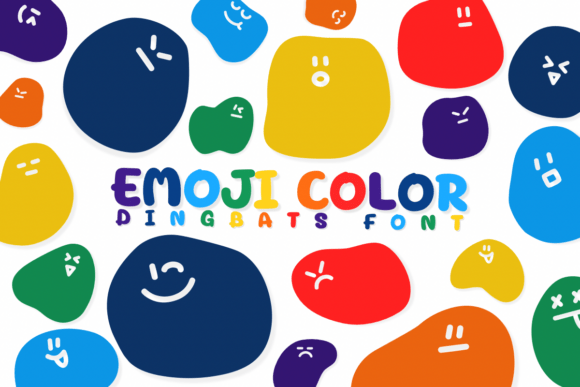
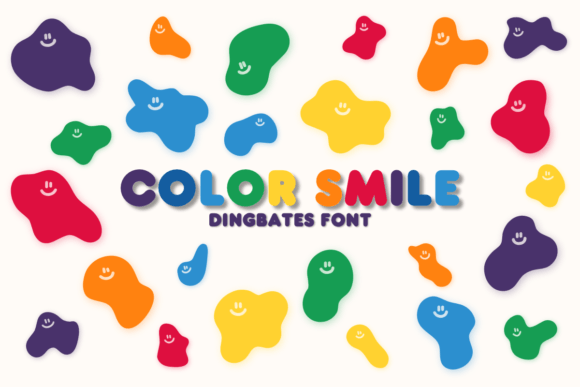
Ever notice how a simple smiley face can instantly make a message feel warmer? That's the core idea behind Color Smile, a playful dingbat font that swaps out standard letters for a delightful parade of cheerful, smiling characters. It's not just a typeface; it's a tool designed to inject a dose of pure, uncomplicated happiness into your visual projects. For anyone creating content, products, or branding, finding a design asset that genuinely connects on an emotional level is gold, and this font aims to deliver exactly that.
More Than Just a Funny Face
At first glance, you might file it under "novelty." But thinking of Color Smile only as a quirky novelty misses its real potential. Each character is a unique illustration—some with spots, some with different expressions, all radiating positivity. This isn't a standard serif font or a clean sans serif font; it's a dedicated display font with a very specific personality. Its power lies in its consistency of mood. When you use it, you're not just spelling out a word; you're laying out a sequence of tiny, joyful icons that tell a story all on their own.
This makes it incredibly effective for projects where the primary goal is to evoke a feeling—happiness, friendliness, playfulness, and warmth. Think about the brands and designs that stick with you. Often, it's not the most technically perfect layout, but the one that made you feel something. A font like this is a shortcut to that feeling, providing a ready-made visual language of cheer.
Where a Smile Makes Sense: Practical Applications
Knowing a font exists is one thing; knowing how to use it effectively is another. The versatility of a dingbat-style font like this might surprise you. It’s not just for kids' birthday cards. Here’s where it can truly shine and add measurable value to your work.
Building a Brand with Personality: For small businesses, especially those in wellness, children's products, pet care, food, or creative services, establishing a friendly and approachable brand identity is crucial. Color Smile can become a cornerstone of that identity. Imagine it used sparingly in your logo design, as a decorative element on your website, or as the header font for your social media graphics. It creates an instant emotional hook and makes your brand more memorable. A bakery could use it for a "Happy Birthday!" cake topper graphic, or a yoga studio could feature a smiling character in its weekly inspiration posts.
Packaging That Pops: On a crowded shelf, packaging needs to do more than just hold a product. It needs to communicate. Using this font for a tagline, a special offer callout, or a section of your label design can make your product feel more inviting and fun. It works exceptionally well for items meant to bring joy, like specialty snacks, craft kits, or greeting cards.
Digital Content That Engages: In the fast-scrolling world of social media, a visual pause is everything. A post featuring a line of these smiling characters as a divider, or the font used for a bold, positive statement in a graphic, can stop thumbs and increase engagement. It's perfect for Instagram stories, Pinterest pins, and celebratory announcements on any platform. For bloggers and content creators, it can add a splash of personality to section headers or featured image text, breaking up the monotony of standard web fonts.
Print and Physical Goods: The applications extend beautifully into the physical world. Think about eye-catching posters for a community event, cheerful invitations for a baby shower, or the cover of a journal. For crafters and those selling merchandise, this font is a dream. It can be used to create standout designs for T-shirts, tote bags, stickers, and mugs. The inherent positivity in the design makes it ideal for products people buy to feel good or to gift to someone else.
Working with a Display Font: A Designer's Perspective
Adopting a strong personality font like Color Smile requires a bit of strategy. It's a tool, and like any tool, it works best when used for the right job. Here’s some practical advice for integrating it into your workflow.
Font Pairing is Everything: This is not a font for body text. Its detailed, illustrative nature means readability drops off quickly in long sentences. Its role is as an accent—a headline, a subhead, a pull quote. Pair it with a clean, neutral typeface. A simple sans serif font like Open Sans or Lato works beautifully, as does a classic serif like Georgia for a touch of elegance. Let the smiling characters be the star, and let the supporting font do the heavy lifting of conveying detailed information.
Readability and Hierarchy: Use it intentionally to create visual hierarchy. A headline in Color Smile immediately sets a playful tone, while a paragraph in a standard font below it provides clear, readable context. This contrast is not only visually interesting but also guides the viewer's eye through your layout in a logical way.
Test Before You Commit: Always test your font pairings in context. Create a mockup of your social media post, your product label, or your website header. See how the colors, sizes, and surrounding elements interact. The goal is harmony, not a clash of personalities.
Understand Your License: If you're using this for a commercial project—which includes anything for your business, a client, or for sale—you need to ensure you have the correct commercial font license. This is non-negotiable for professional work. Reputable font foundries are clear about their licensing terms, covering everything from desktop use to web embedding and merchandise. Respecting this protects you legally and supports the artists who create these valuable design assets.
Finding the Right Moment for Joy
Not every project calls for a smiley face, and that's okay. The key is matching the tool to the task. A corporate law firm's annual report probably isn't the right venue. But for a huge range of other projects—from a local community fundraiser to a global social media campaign—this kind of creative font can be the secret ingredient that makes your work feel human, approachable, and genuinely engaging.
In a world saturated with sterile, minimalist design, there's a growing appreciation for typography that has character. Modern typography isn't just about clean lines; it's about communication and emotion. Color Smile is a prime example of a typeface that communicates a specific, positive emotion instantly. It’s a reminder that design, at its best, is about connection. When you choose a font, you're choosing a voice. Sometimes, the most effective voice is simply a happy one.