Color Water: The Handwritten Font That Feels Like a Hug
There's a particular warmth that washes over you when you receive a handwritten note from someone you care about. It's personal, slightly imperfect, and utterly genuine. In a world saturated with sleek, digital precision, that human touch has become a rare and valuable commodity. Capturing that feeling in your designs—whether for a client's wedding suite or your own small business branding—is now remarkably simple. The right creative font can bridge the gap between cold digital text and the inviting charm of a personal message, transforming ordinary projects into memorable experiences.
A Typeface with a Smile
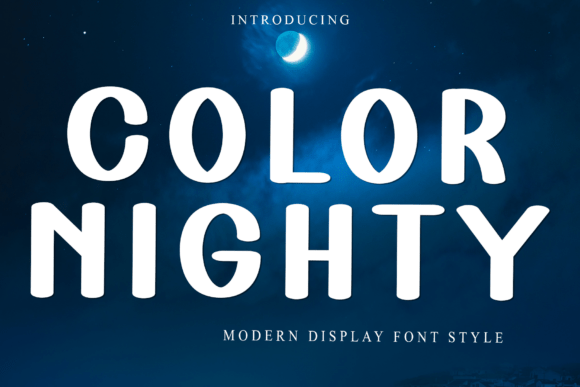
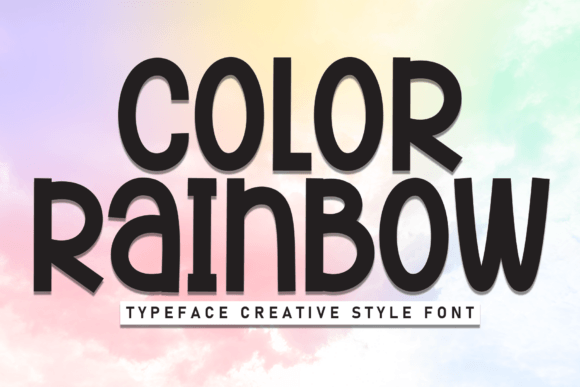
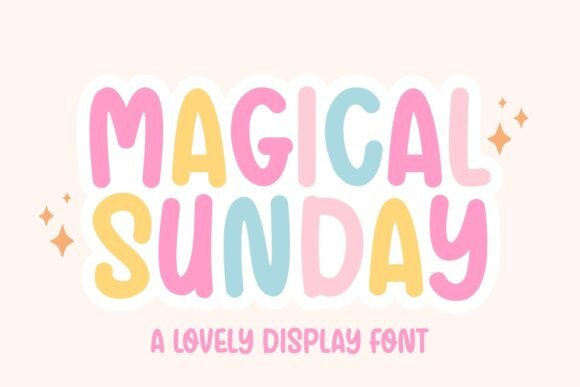
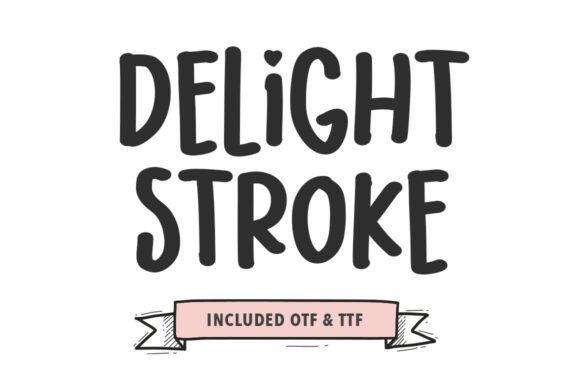
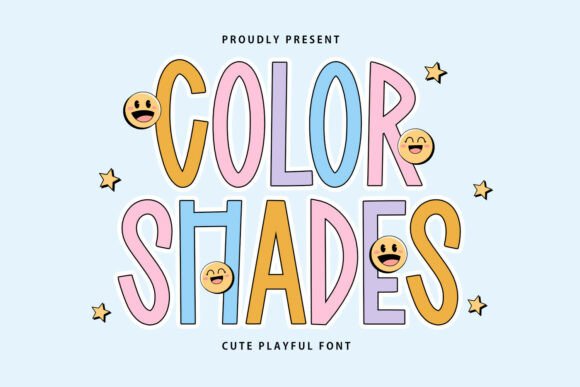
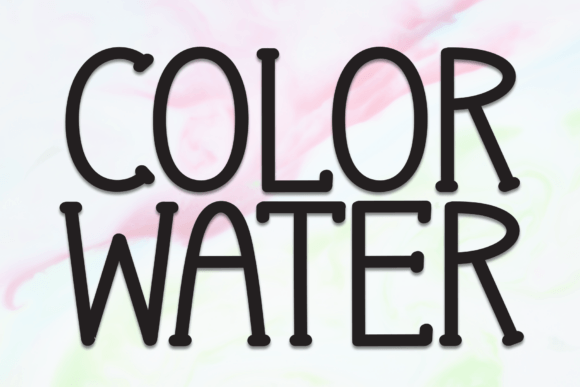
Imagine a font that doesn't just sit on the page but seems to lean in, ready to share a friendly secret. That's the essence of this particular handwritten display typeface. It's not trying to be the most formal or elegant script in the room. Instead, its character lies in its approachable, slightly bouncy baseline and the sweet quirkiness of its letterforms. The strokes have a natural, flowing rhythm, reminiscent of someone writing with a felt-tip pen, full of gentle pressure variations and soft, rounded edges. This isn't sterile, machine-perfect calligraphy; it's typography with personality. It feels unassuming and authentic, making it an ideal choice for projects where you want to connect with an audience on a human level.
Where This Font Truly Shines
Understanding a font's personality is one thing, but knowing where to deploy it is where the real magic happens. Its playful yet legible nature makes it incredibly versatile. Let's explore some practical applications where this typeface can breathe life and warmth into your work.
- Invitations & Greeting Cards: This is its natural habitat. For wedding invitations, birthday cards, or holiday greetings, the font adds an immediate sense of celebration and personal effort. It tells the recipient, "This was made with care, just for you."
- Brand Identity for Niche Businesses: For a boutique bakery, a local florist, a children's clothing line, or a handmade craft shop, this handwritten font becomes a cornerstone of a friendly brand identity. It helps establish a visual voice that is approachable, creative, and trustworthy. Think of it on a logo, a thank-you card, or product packaging—it consistently communicates that handmade, artisanal quality.
- Social Media & Content Creation: Scroll-stopping social media graphics rely on visual appeal. Using this script font for quotes, Instagram story titles, or Pinterest pin headers can instantly make your content feel more engaging and relatable. It breaks the monotony of standard sans-serif fonts and adds a layer of personality that encourages followers to pause and read.
- Packaging & Merchandise: Product labels, hang tags, and sticker designs benefit immensely from a touch of charm. A handwritten font can differentiate your product on a crowded shelf, suggesting a story behind the brand. It’s equally effective for designing playful merchandise like tote bags, mugs, or t-shirts for a community-focused brand.
- Website & Blog Design: While it's not suited for long-form body text, its use as a display font for headlines, pull quotes, or call-to-action buttons on a website can inject personality without sacrificing professionalism. For a blog, it can make author bios or section dividers feel more personal and engaging.
Pairing for Purpose and Polish
A common pitfall with decorative fonts is overuse. The real skill in typography often lies in restraint and intelligent pairing. To ensure your designs are both beautiful and functional, consider these practical tips.
First, always prioritize readability. This font excels in display sizes—think headlines, logos, and short phrases. For body text or any smaller, critical information (like dates, times, or addresses on an invitation), pair it with a clean, highly readable serif font or a simple sans-serif font. The contrast will make your display text pop while ensuring the essential details are crystal clear. For example, pair the playful script with a classic, elegant serif for a wedding suite, or with a modern, geometric sans-serif for a trendy brand's social media post.
Second, match the mood to the mission. Before selecting any font, define the emotional goal of your project. Is it whimsical, nostalgic, cheerful, or sophisticated? This handwritten typeface leans heavily toward the first three. If your project demands a more serious or luxurious tone, you might need to explore other premium font options. The key is alignment between the font's personality and your project's core message.
Third, test, test, and test again. Always view your chosen font pairings in context. Does it look good on a mobile screen as well as a printed poster? Is the contrast sufficient? Try setting a few key phrases in different sizes to see how it holds up. A great design asset is one that works reliably across all your intended applications.
Beyond the Glyphs: Licensing and Files
When you invest in a quality commercial font, you're getting more than just the alphabet. A well-packaged typeface will often include multiple styles—perhaps a regular weight, a bold, or an italic—to give you more design flexibility. It should also come with a comprehensive character set, including numbers, punctuation, and a range of special characters and ligatures that enhance the natural, handwritten feel.
Crucially, understand the commercial licensing that comes with your purchase. For designers and small business owners, this is non-negotiable. A standard license typically covers use in logos, websites, and print materials for a single entity or client. If you plan to use the font in products for sale (like on merchandise or in a digital template you sell), you may need an extended license. Always read the terms provided by the foundry or distributor to ensure your usage is fully covered. This is a fundamental part of professional practice and protects both you and the font creator.
In the end, choosing a font like this is about more than just aesthetics. It's a strategic decision to communicate warmth, authenticity, and approachability. It’s a tool for telling a brand's story with a smile, for making a personal connection through design, and for adding that elusive sprinkle of charm that turns a simple project into something truly delightful. When your visual language needs to feel less like a broadcast and more like a conversation, a thoughtful, friendly typeface is your most powerful ally.